

News from Andreas Murkudis
Bringing 300-year old brushes to Paris and why getting lost in Tokyo reaps the best rewards

Intro: Eilidh Duffy
When we set out to relaunch this newsletter, we thought it would actually be Contemporary Fashion lite. But, as it was when Bog first started, there’s so much cool shit happening just below the surface of capital ‘F’ Fashion that it’s been necessary to dust off the Reporter cap and pop it on again. And you know what – it’s been quite fun.
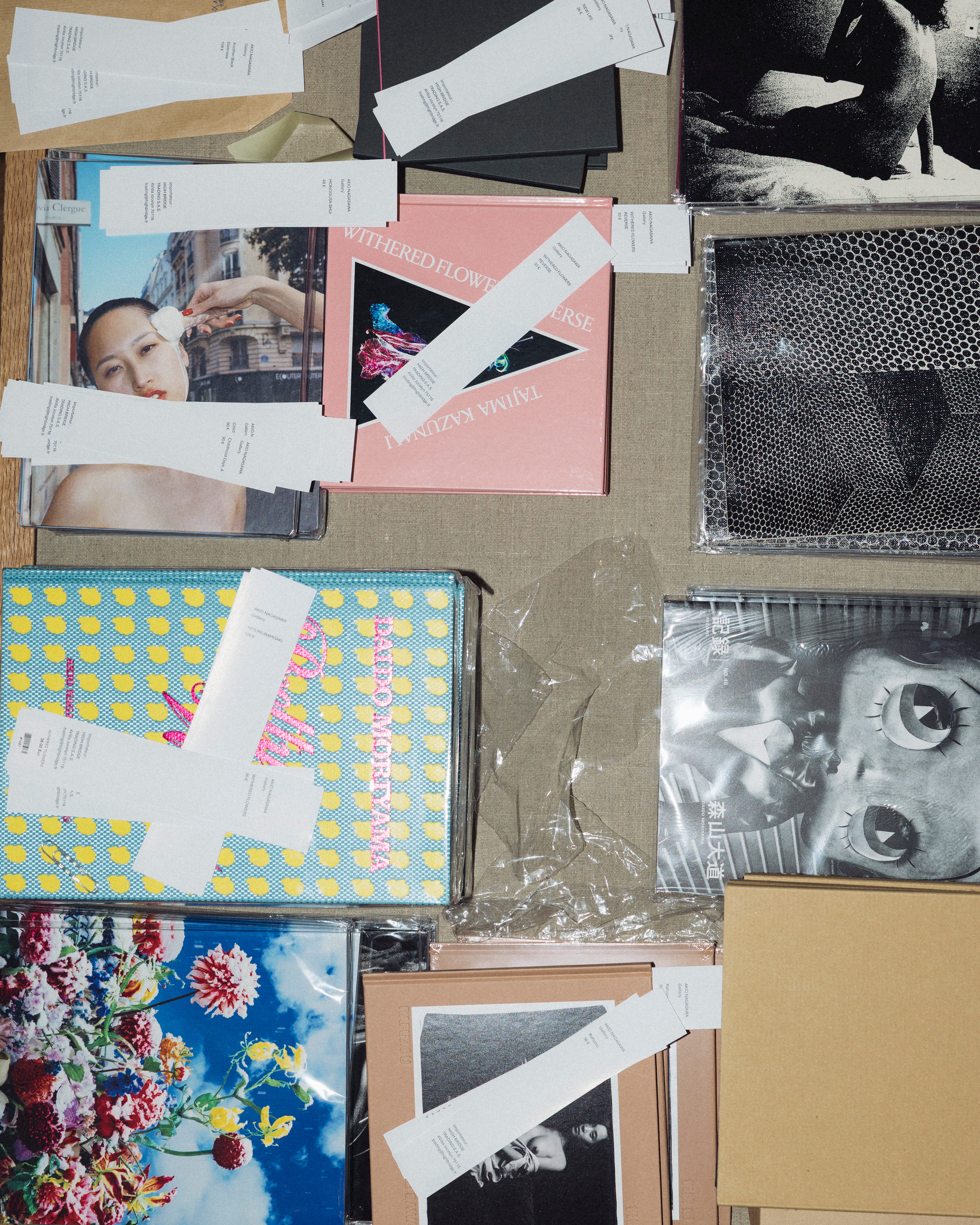
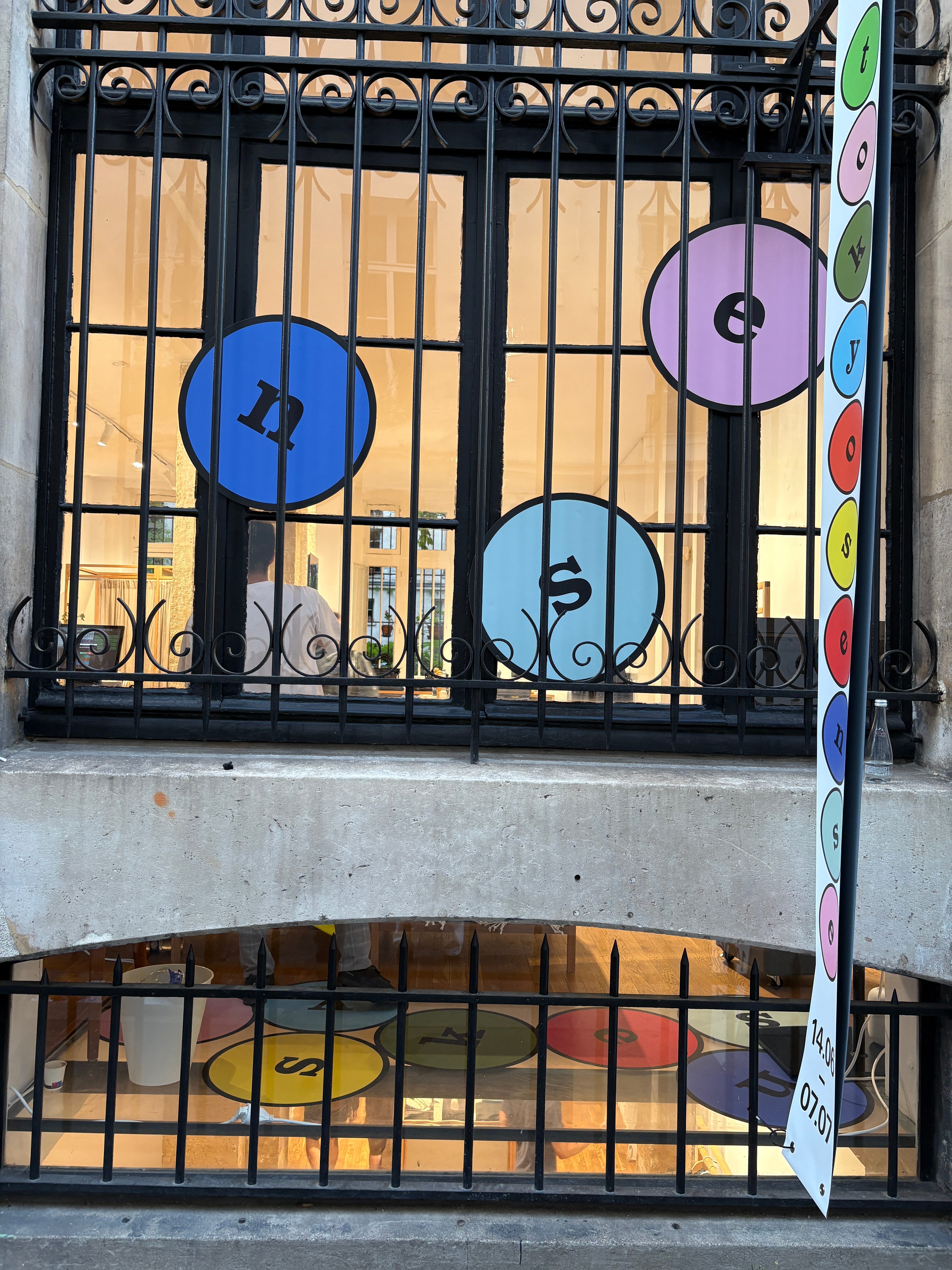
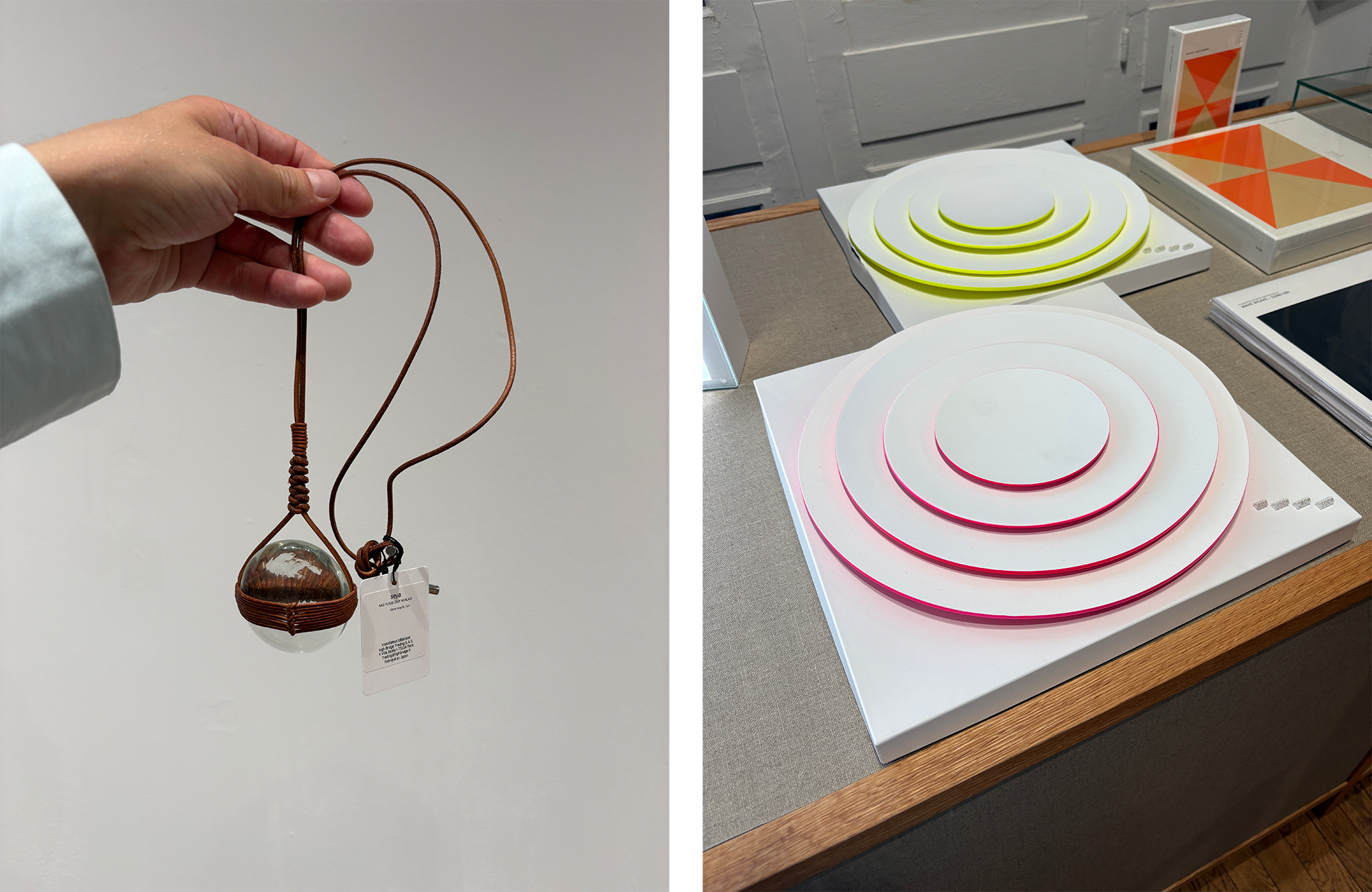
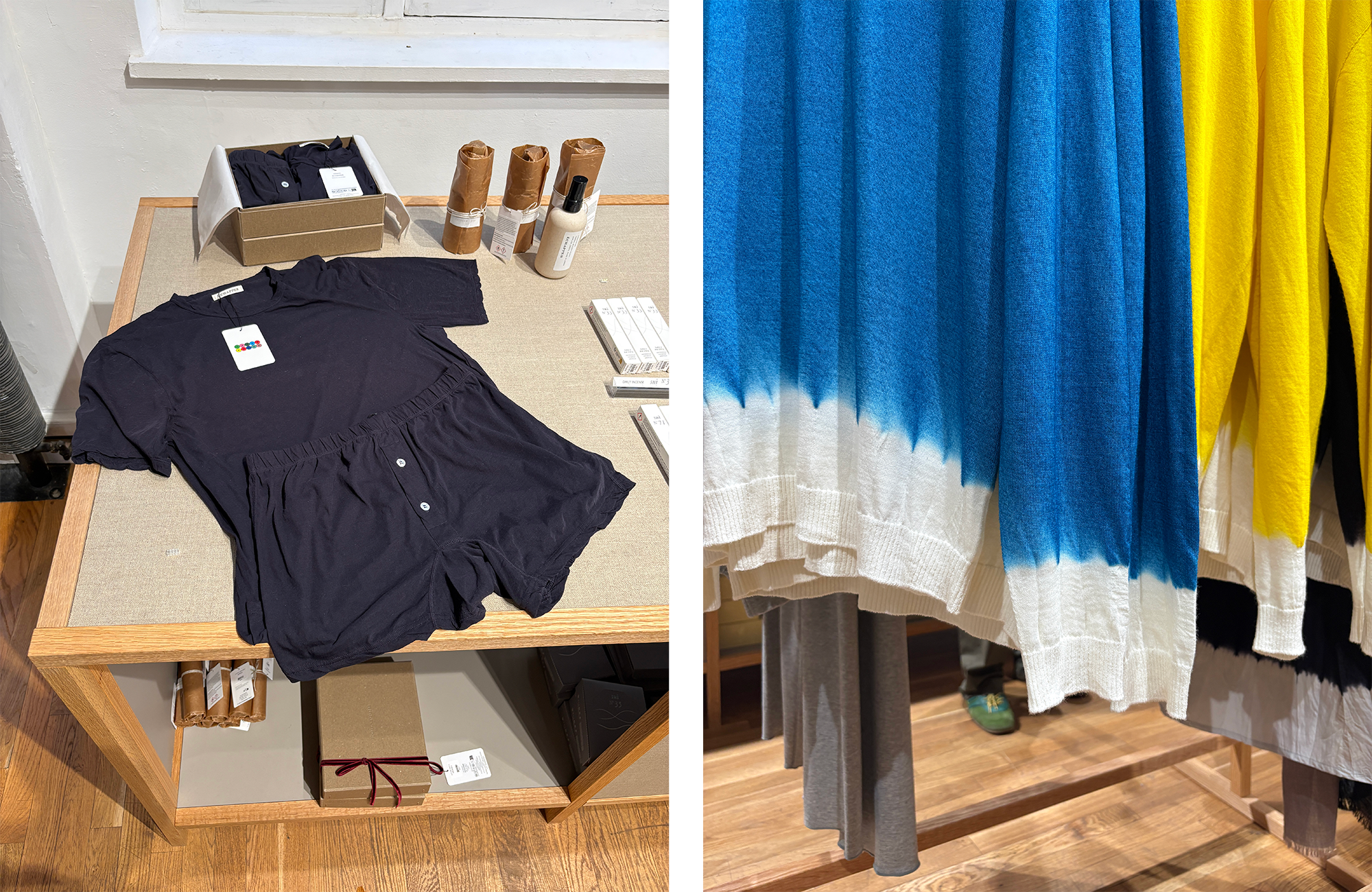
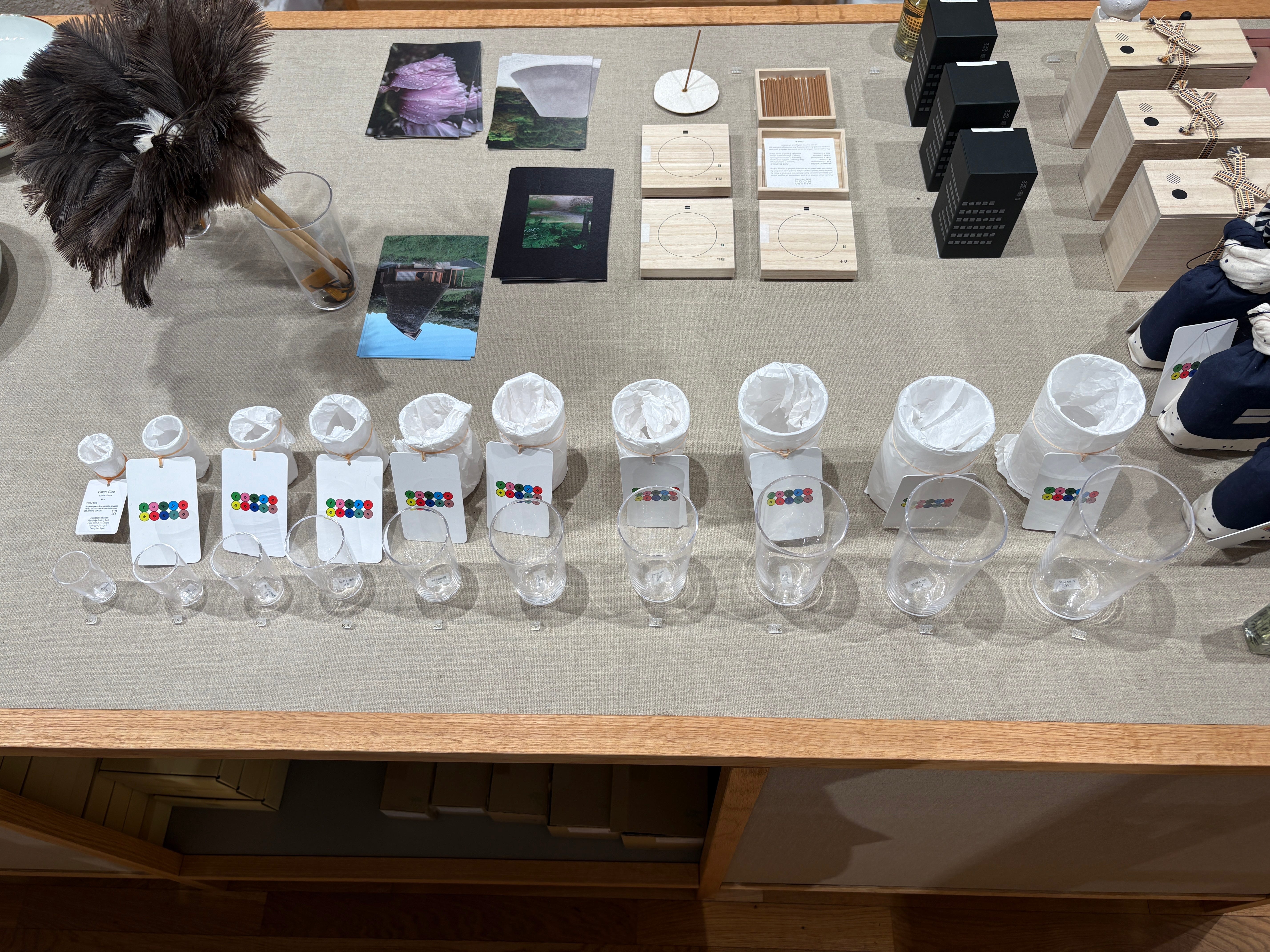
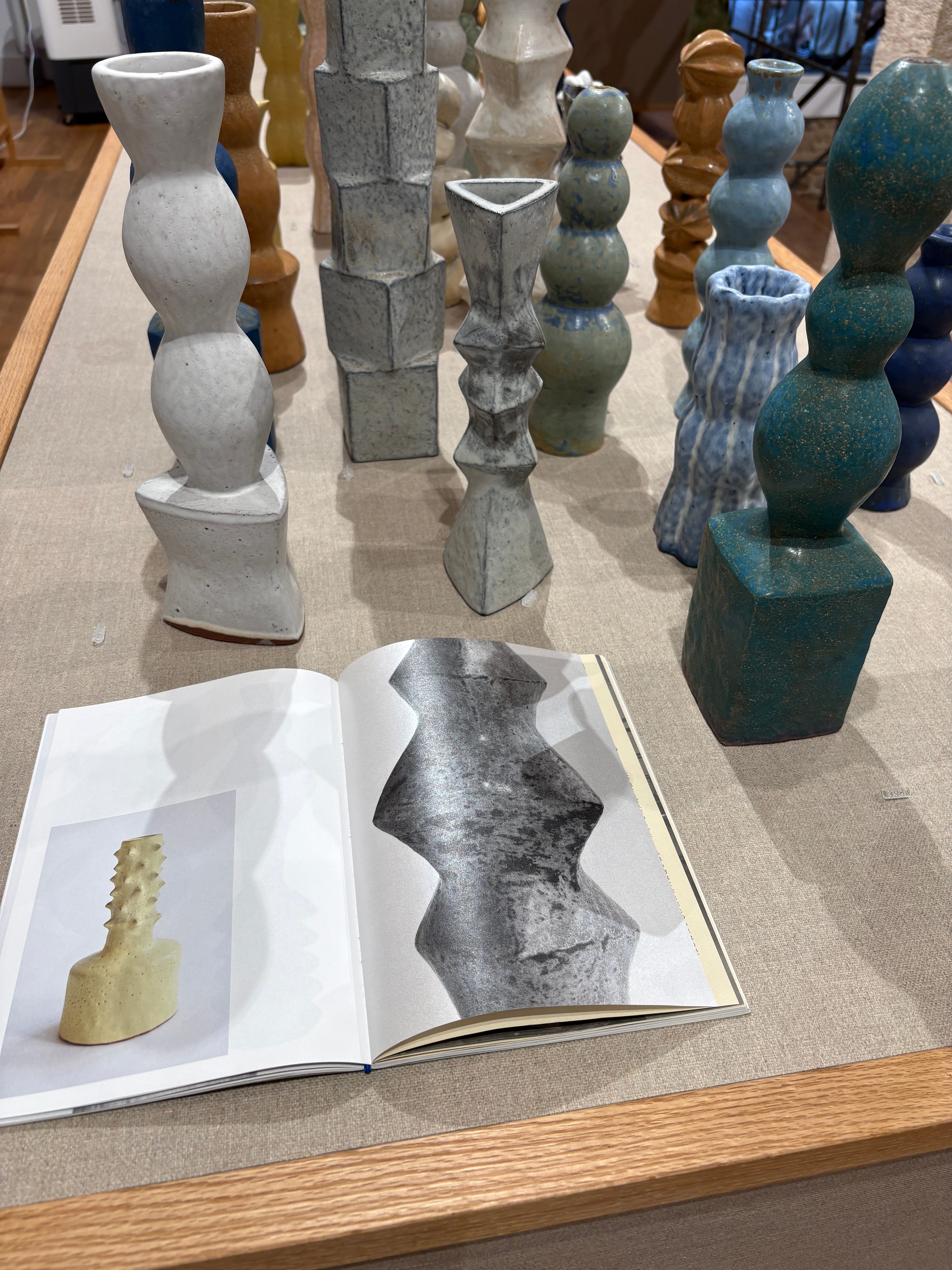
Next in line (and the grand finale for this Fashion Season) is this lovely project called tokyo sense curated by Andreas Murkudis in Paris, a temporary store that’s brought together 29 Japanese projects and labels spanning publishing, beauty, fashion, and objects to the city over the month of June and the beginning of July. The idea has been to bring a bit of the Japanese shopping experience to Parisians and the hordes that have descended on Paris for men’s.
If you don’t know of him and his work already, Andreas has been the purveyor of a number of incredibly chic and exciting shop locations selling clothes, objects, furniture, and art in Berlin since 2002. Before this, he worked as the warehouse manager for his brother, the designer Kostas Murkudis, who was a Helmut Lang protégé before launching his own label in 1994. He still designs to this day and we are (of course) huge stans, just look at these sick drop-crotch pants.
This first AM store looked onto a run-down courtyard in Mitte. Located in a former apartment, its product selection was based on the gift shop he had opened while director at the Museum der Dinge, a little institution dedicated to the Deutscher Werkbund, an association of architects, artists, and industrial designers formed in 1907 (and a precursor to some of the ideas championed by the Bauhaus). The objects on sale in the shop were functional, beautiful and adaptable. “I wanted to expand on that concept – not just to make a living, but to show how these objects could be part of everyday life beyond the museum,” he explains.
Andreas opened his shop at a time when what European retail could look like was expanding. You’d had 10 Corso Como open in Milan in 1991, Colette in Paris in 1997, and the original Dover Street Market was to open its doors in London in 2004. Andreas Murkudis opened his store in Berlin during the decade that reshaped how we think about retail.
Why we were so keen to hear from Andreas isn’t simply because the tokyo sense logo feels so spiritually connected to our own, nor to introduce all of the brands he’s presenting (you can do that at your leisure on their Instagram, or at the showroom until the 7th of July), but to understand what happens when a particular shopping culture – and the products that come with it – travels from Tokyo to Paris.
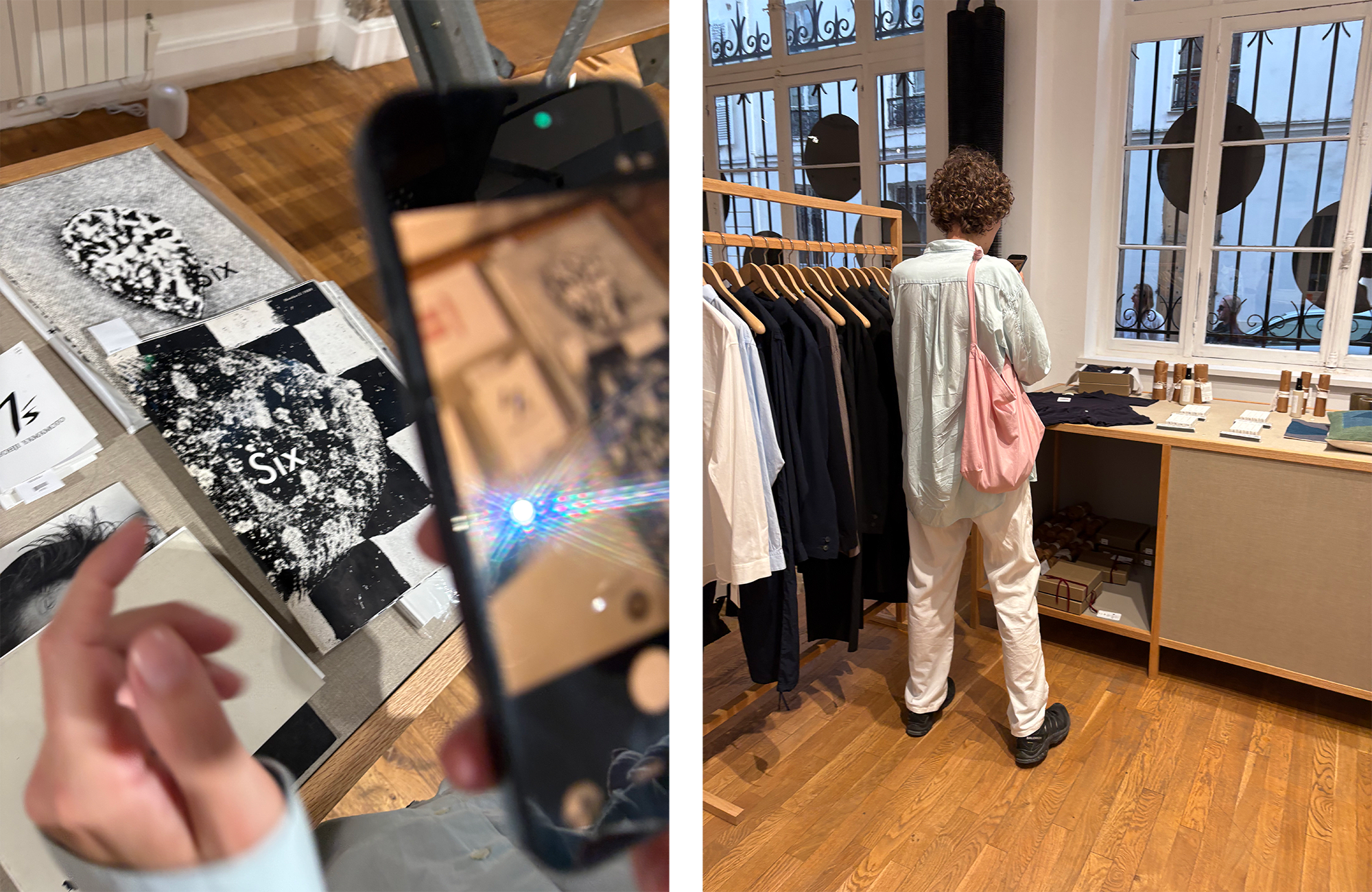
Discerning readers of Bog will know we have a bit of a passion for the shop form (see here, here & here). Japan is a place that has acted as a bit of a North Star in terms of retail formats and experiences since the mid-20th century. And it seems Andreas shares our fascination. “Shopping in Japan is a singular experience,” he explains. “For me, it’s all about the joy of discovery – having no agenda and letting the city, district, or street guide you.”
After his initial visit to Japan in 2016, Andreas has returned regularly for showrooms, Tokyo Fashion Week, and a fair bit of fun. Every visit, he insists, “feels as exciting as the first.” So exciting, in fact, that he could “do without London, Milan, and Paris as long as I can keep travelling to Tokyo.” A grand statement indeed.
There are a number of reasons that buying stuff in Japan feels so liberated, one of which is the sense you’re getting let in on some big secret. Retail licensing doesn’t really exist in the same way it does here in the UK (and presumably in France, too) wherein particular places can only allow certain activities to happen in them by law. Thus a shop can pop up in a block of flats, or a tiny bar might open on the fifth floor of an old office building.
Case in point: Edoya. A brush shop in Nihonbashi originally opened in 1718, a selection of which you can browse at tokyo sense. It embodies the kind of retail experience that’s possible in a place like Tokyo. Drifting through the high-rises of Nihonbashi, you can happen upon a 1920s shopfront and, sliding open the thin cypress doors, find one of the most singular shops on the planet.
During the Edo period (1603-1868) Nihonbashi was home to many craftspeople and artisans. It’s now developed into a centre for finance and luxury shopping. Despite the rapid redevelopment of the area, the sinews of all this old beautiful stuff haven’t been transplanted elsewhere, but have remained, just between all those shiny glass and steel surfaces. To find these spots, you just have to know where to look.
Last time we were in Tokyo, we went on the recommendation of a friend (another very astute buyer) and managed to bag a pig-hair bottle brush as well as a toothbrush made from horsehair – for around £20 in total. You can also get horsehair hairbrushes (!) and a little teapot cleaning brush, plus the feather dusters that are currently stocked at tokyo sense.
It really got us thinking. Go to the most interesting select shops in Tokyo and you’re likely to find a couple of European heritage labels all but forgotten about over here, aside from intimate circles of menswear nerds and some older rich people. In London and Paris, though, a more widespread appreciation and circulation of East Asian design and craft is perhaps a little less developed.
As Western menswear markets (and podcasters) are once again putting Japanese design on a pedestal (the peculiar success of A.Presse, a rather bland brand that’s been touted as the hottest new thing, for example) perhaps this offering from Andreas, while still appealing to those with a penchant for ‘Made in Japan’, can act as a counterpoint; an opportunity for everyone to dig in a bit deeper to the myriad things Japanese design has to offer aside from well-made but over-hyped hoodies, T-shirts and jeans.
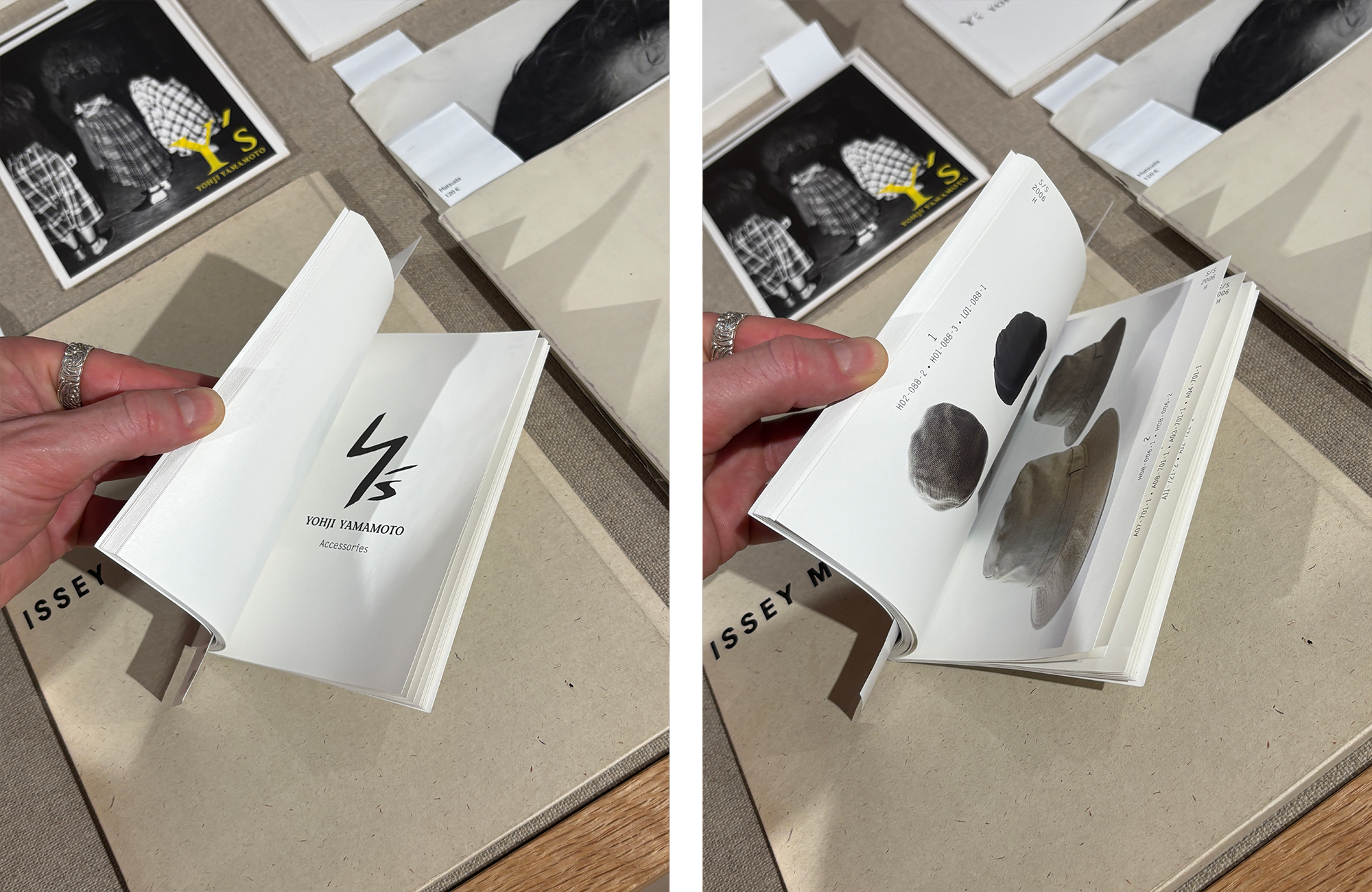
As we can’t actually be there (Paris is too hot = cancelled) we asked a couple of Bog correspondents to pop over and see what was going on. Here’s their review:
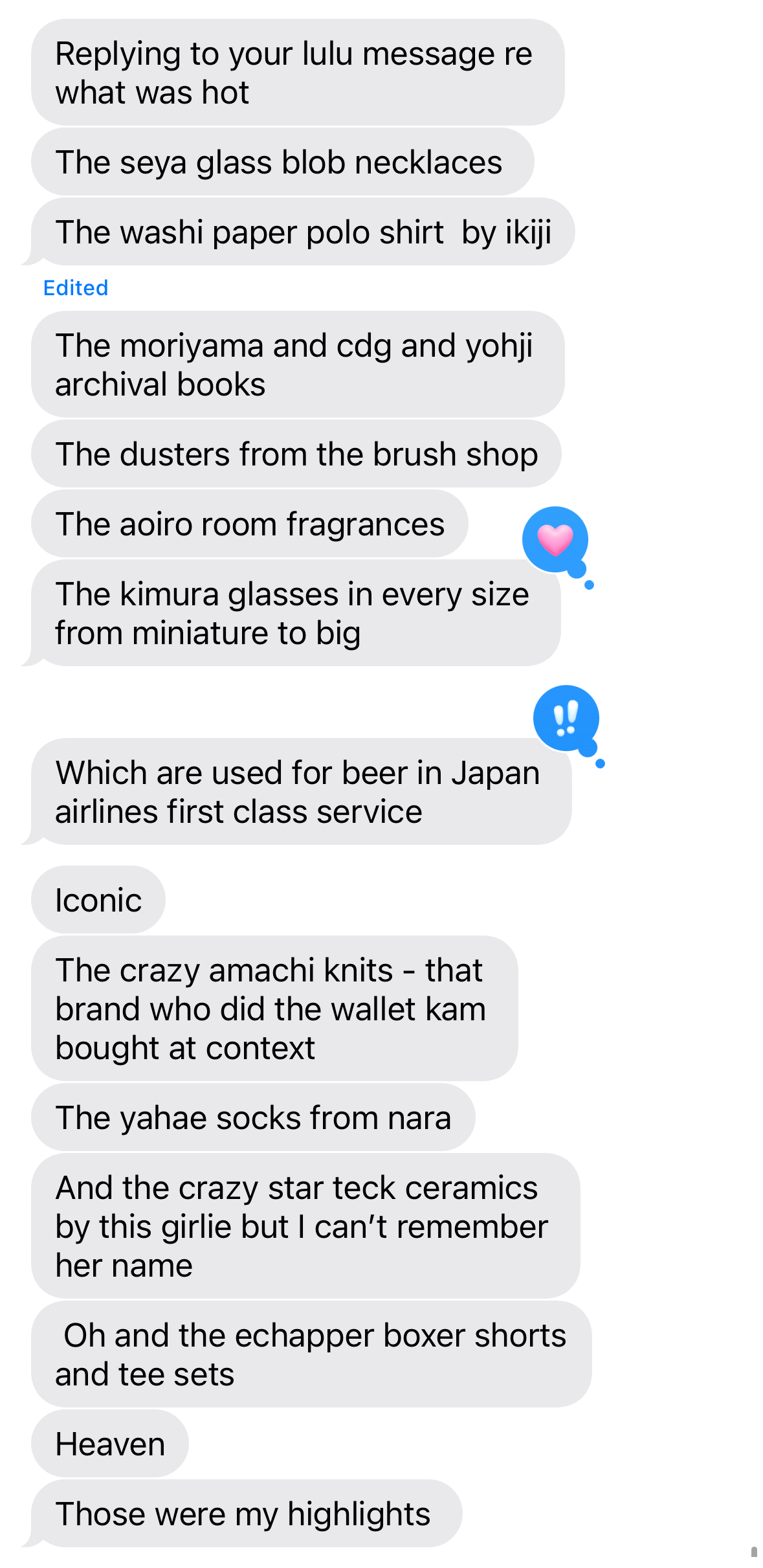
& because we had the rare chance to pin Andreas down, we also asked him for a few recommendations to help everyone survive this overheated Paris Fashion Week – two of which, thankfully, involve air conditioning.
Read on for Andreas Murkudis’s garm of the week (which you can see in the flesh for a limited time), as well as a song that perfectly sums up how we now all feel about 25°C+ heat. ✪
Garm of the week
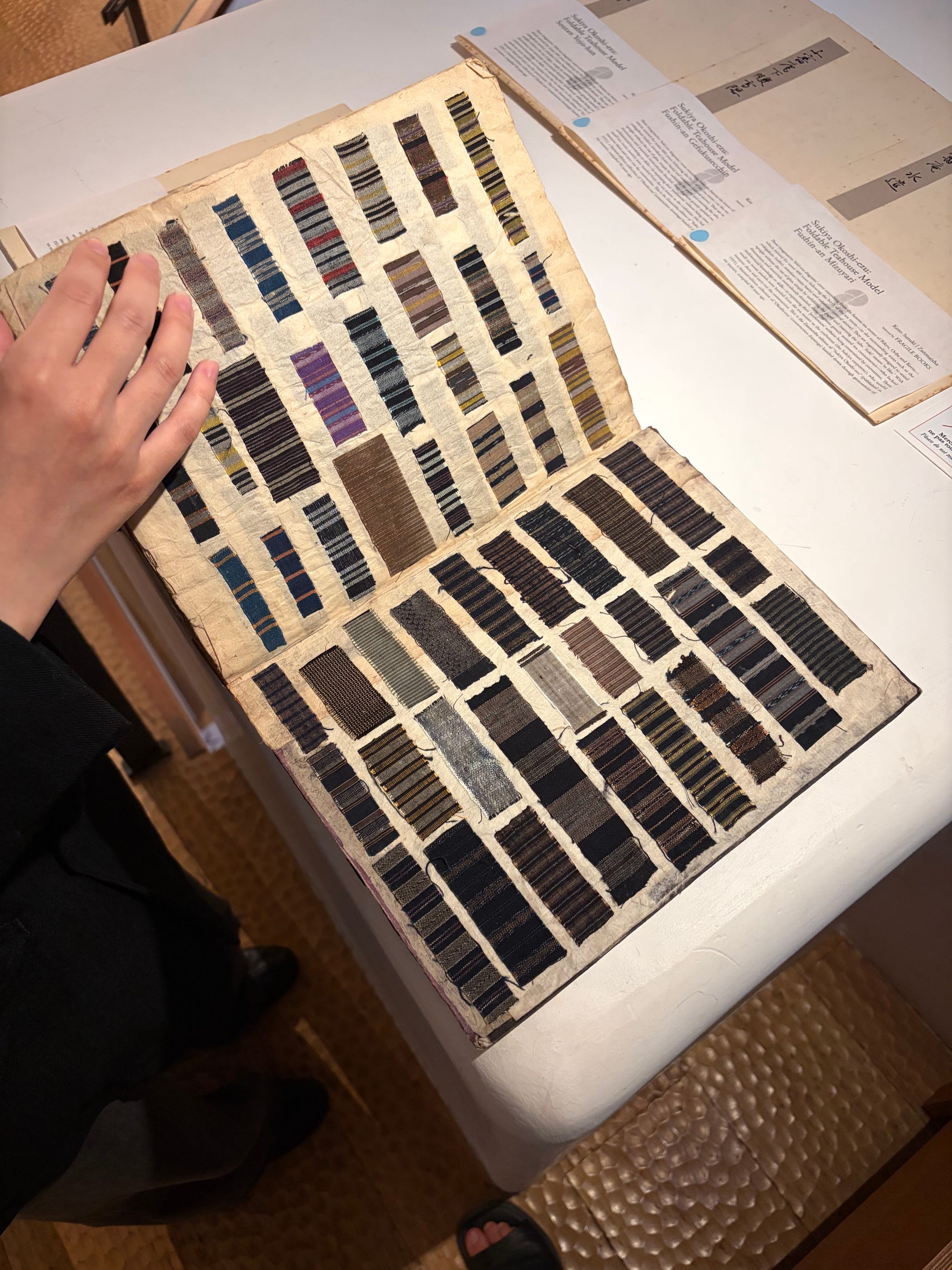
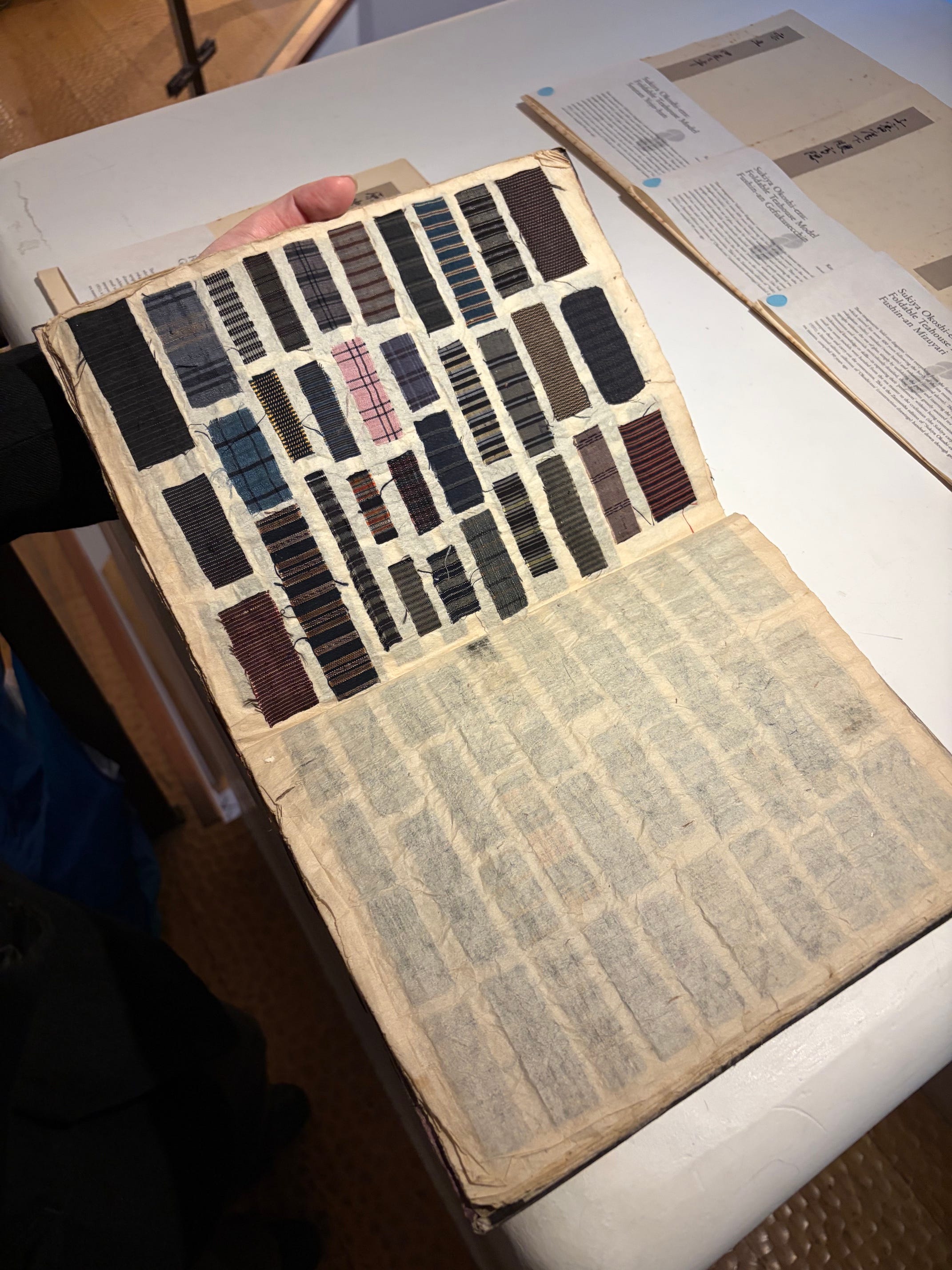
Andreas: My garm of the week would be one of my favourite books from the exhibition at OGATA together with FRAGILE BOOKS in Paris: the “striped book” of only striped fabric samples from the shimacho collection, dating from the very beginning of the 20th century. Shimacho are fabric sample books, often made by individuals weaving at home. You can read more about the “striped book” here.
Other stuff Andreas liked on and off the internet
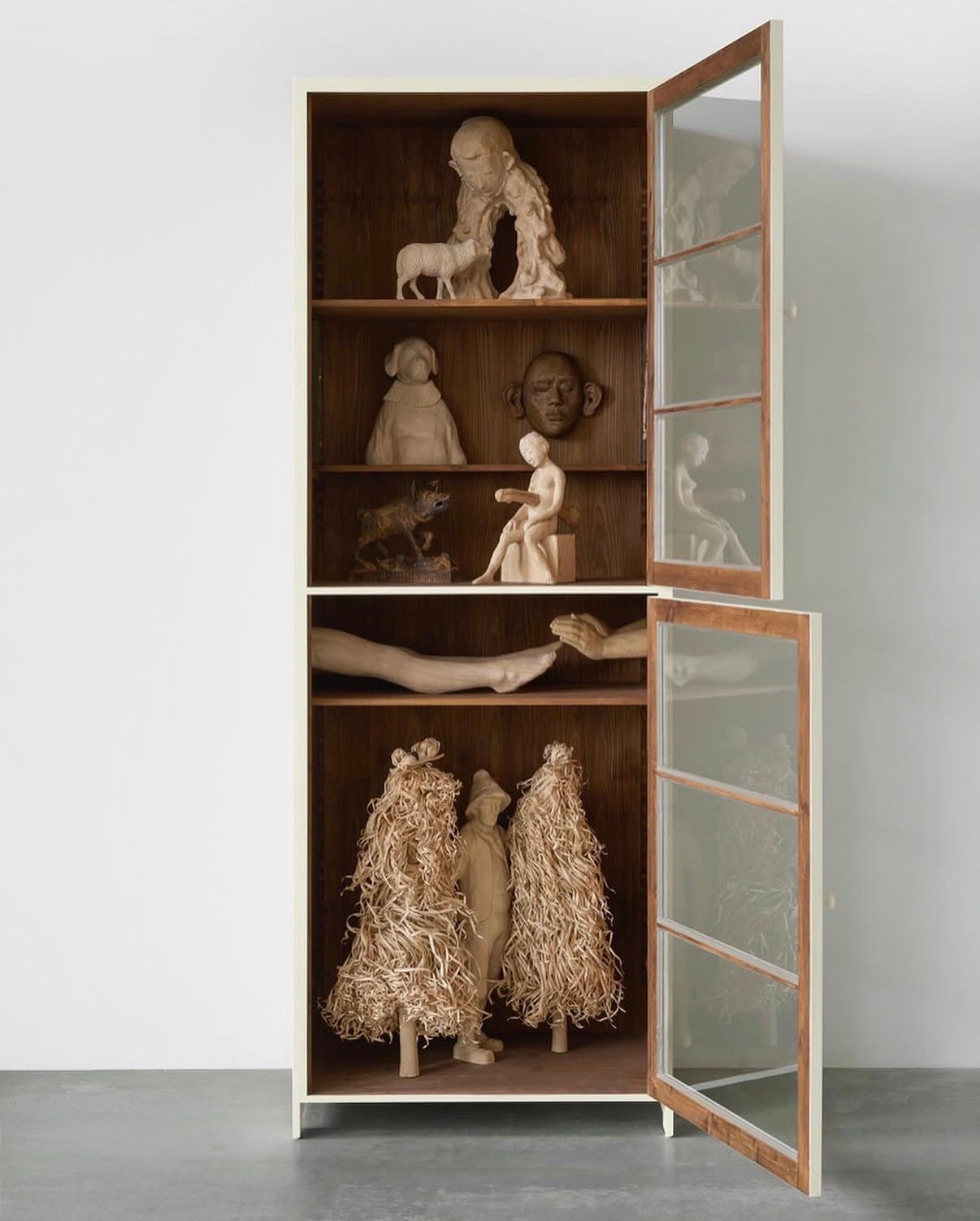
Paloma Varga Weisz wooden sculptures
Anohni’s I don’t love you anymore
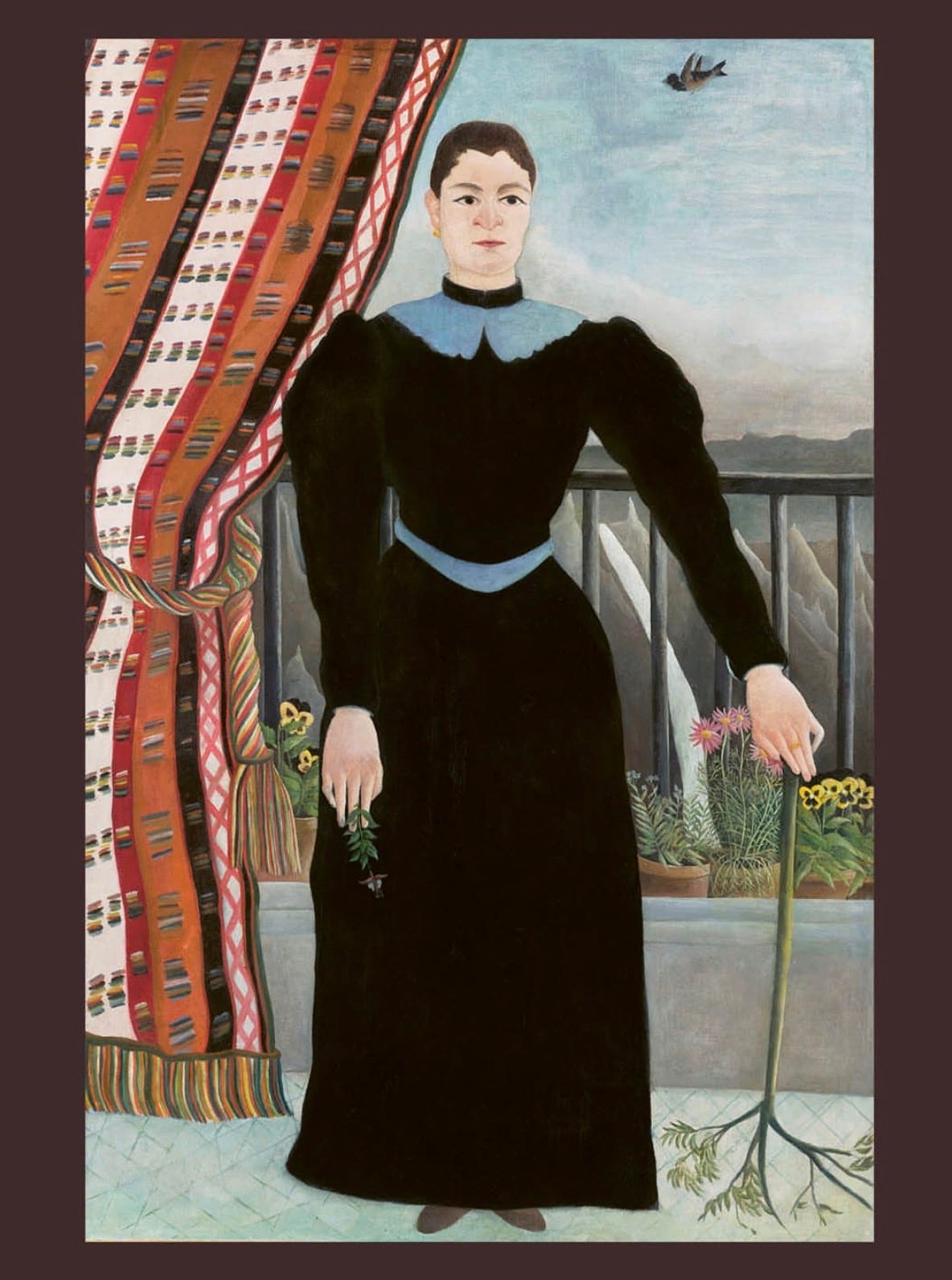
The Henri Rousseau exhibition at The Musée de l’Orangerie
Ciao for now!
Want more?