

It's the season for electrically-heated clothes
Captain Maurice Seddon had an ingenious idea to avoid paying any bills: to heat his body using a homemade electric tracksuit.

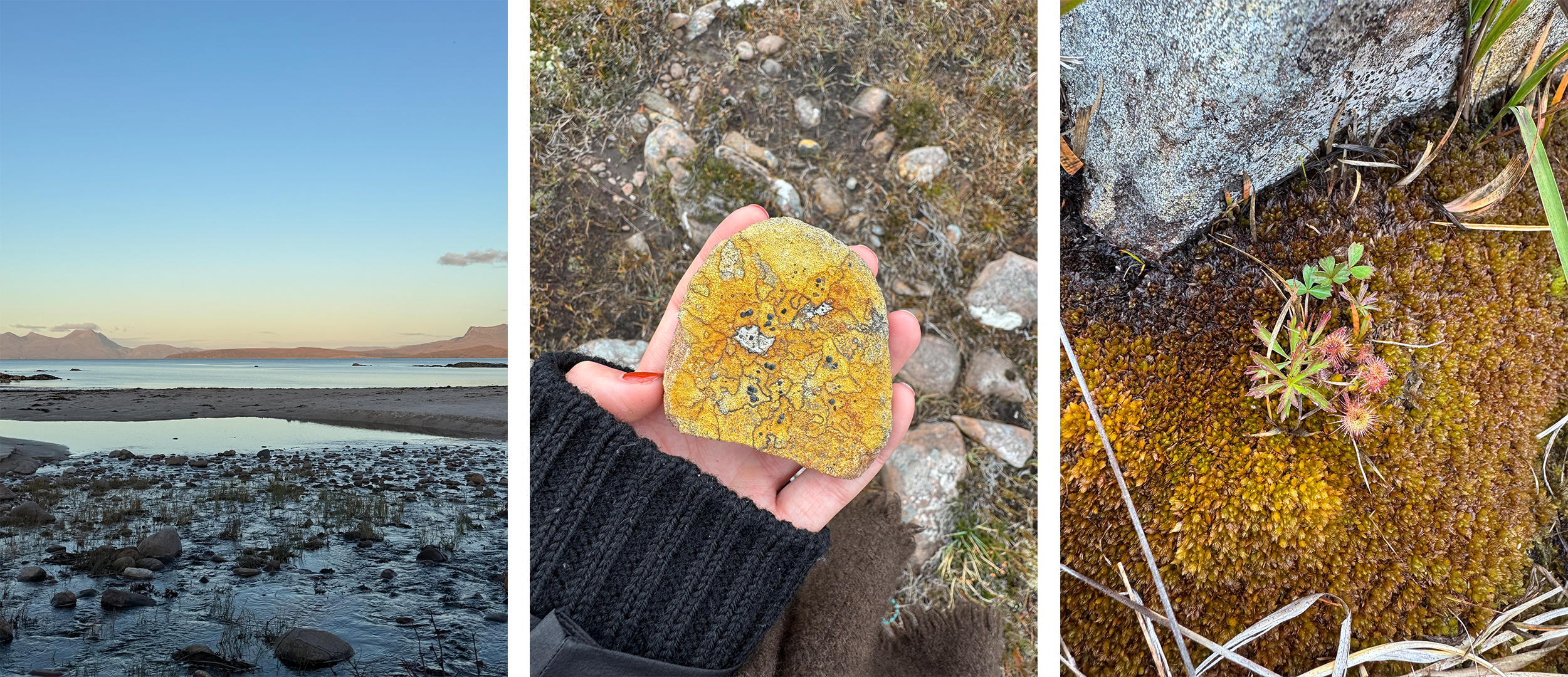
We’ve been getting lost in the bog this week (quite literally). Some highlights:
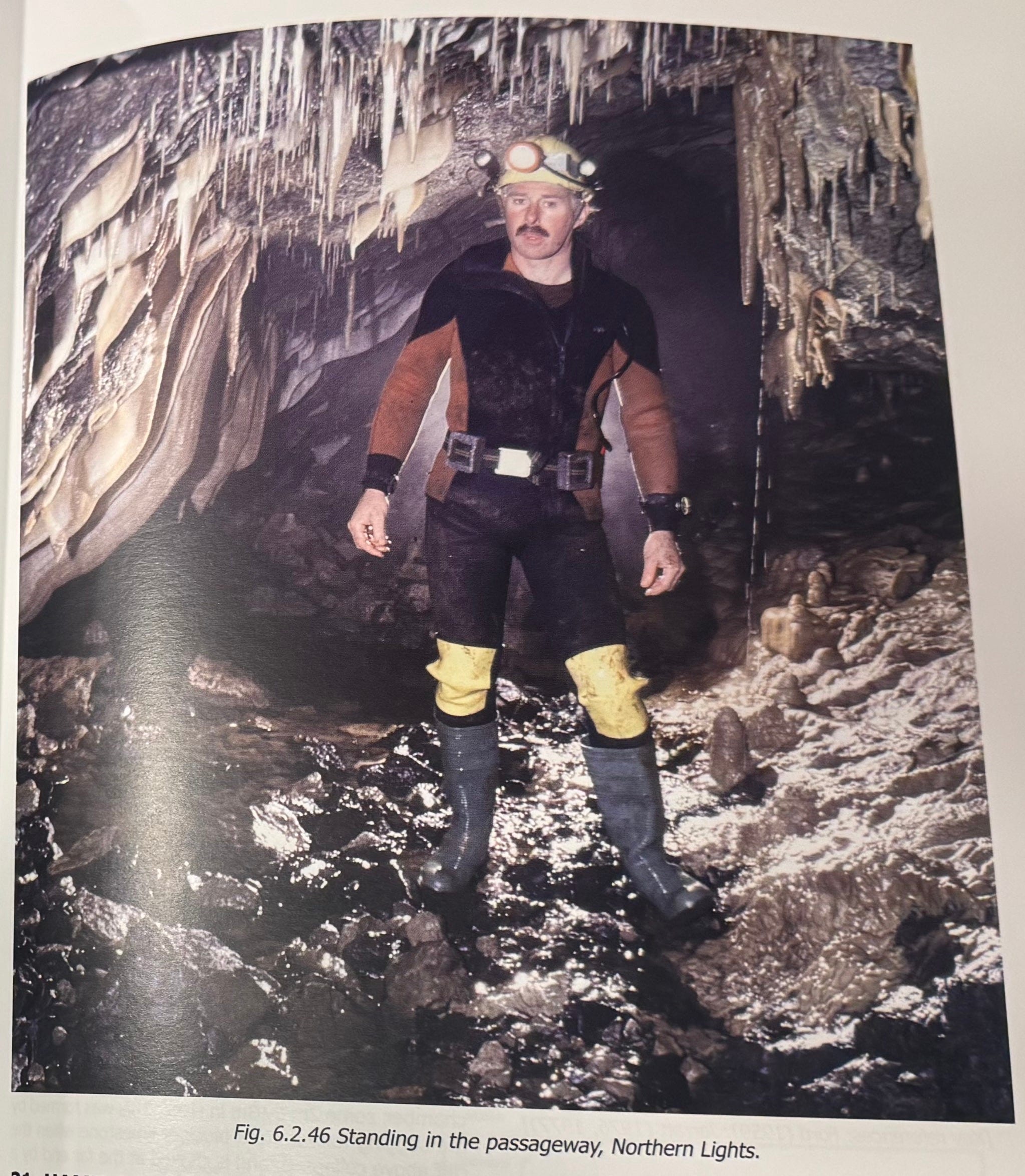
And some fitspo:
We’ve also been feeling kinda cold for the first time this autumn (!), so thought we’d dig out an old story we published in 2023 that features an ingenious method of keeping warm.
Before we get to that, though, there are a few things we’d like to tell you about that are happening in the next week or so. We’ve been a bit offline so really relying on your submissions this week. Sorry if we missed anything, and keep submitting!
Felice Bauer (Flo and Dom aka Felicita) are gonna be playing a gig under a bridge in Hackney marshes on Sunday 5th October. Looks cool af. See you there.
It’s soooo nice being checked out of FW, but sometimes there’s stuff we totally wish we were in Paris for. Case in point: Barcelona’s coolest new label Aurembiaix are hosting a temporary store/showroom on Monday the 6th and Tuesday 7th October with an drinks ‘gathering’ on the Monday evening. As well as displaying their own work, they’ve curated an exhibition of photographs by Marc Souvenir and François Gravel, as well as an installation by artist (and old friend of the bog who was photographed by Ana for issue 1!) Julia Creuheras.
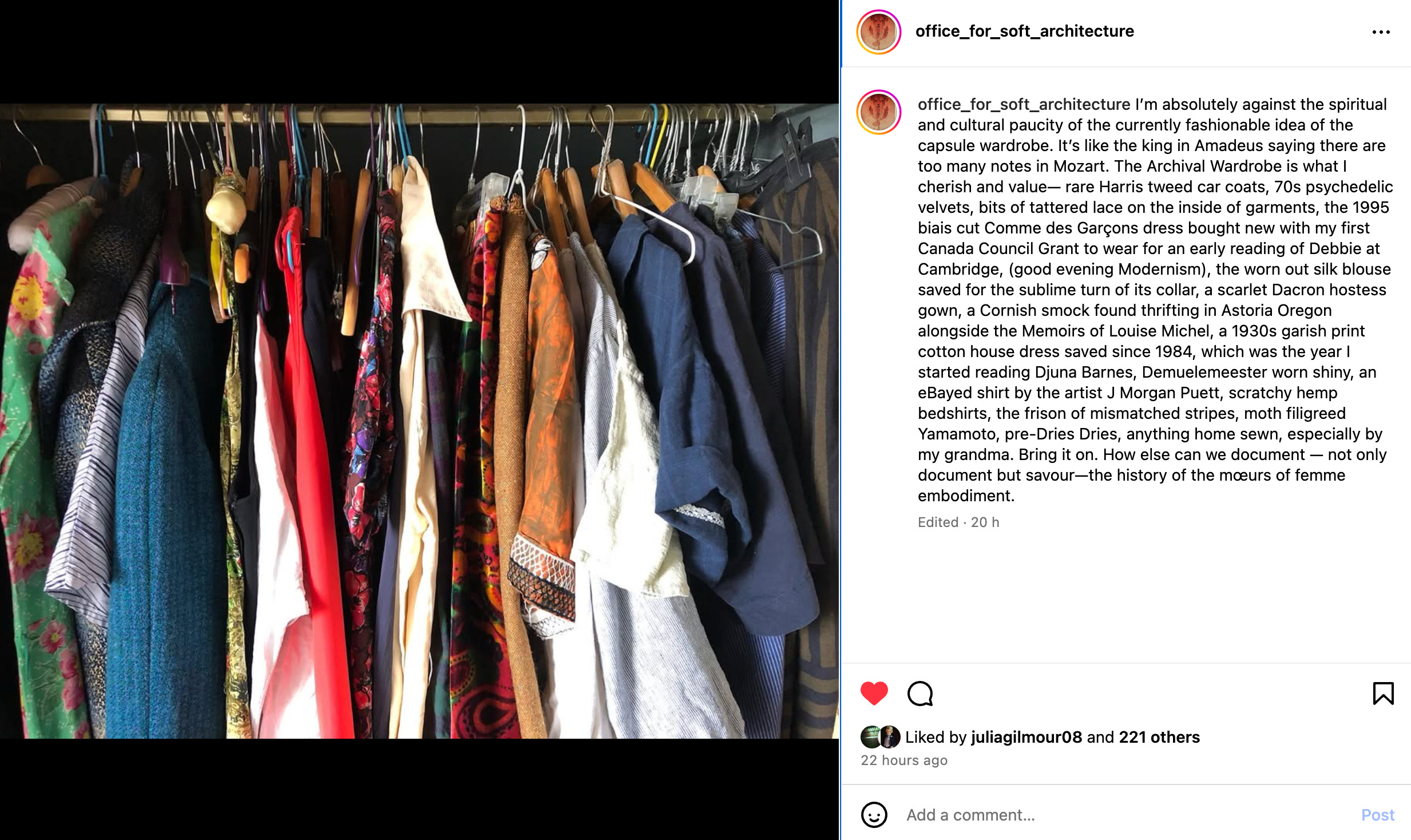
And finally, unrelated to anything event-ey but we’ve been thinking about Lisa Robertson’s paean to the hectic wardrobe quite a lot:
Heated Gloves
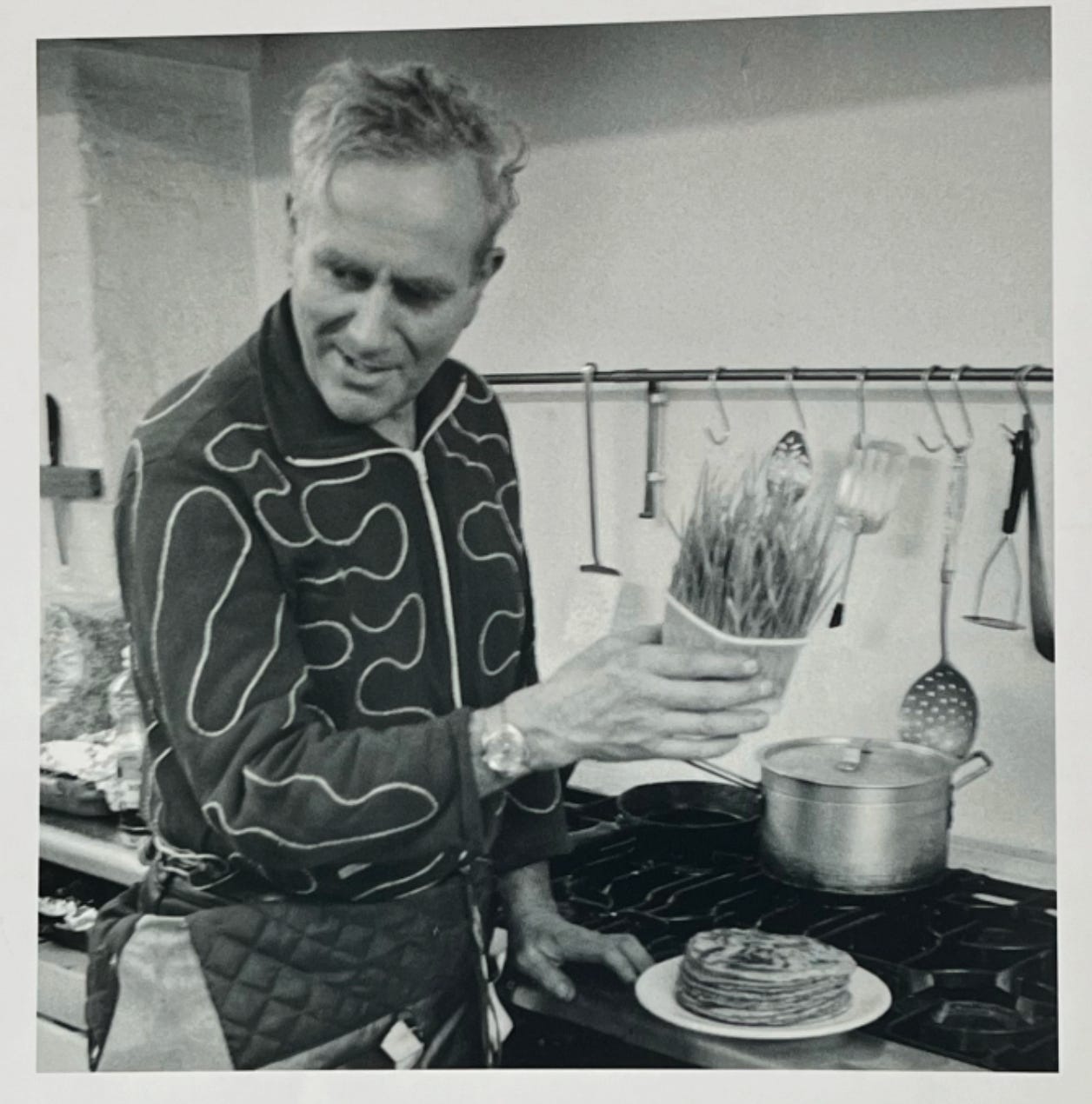
Captain Maurice Seddon lived and worked in the village of Datchet on the outskirts of London from the early 1960s. Here he would design heated clothing for health and utility purposes, citing his own condition of Raynaud’s disease as a motivation, as well as the cost of heating his home. He made a full tracksuit and gloves, both featuring intricate wiring stitched on to the fabric that would heat up when connected to a power source.
He also wore a tabard as a method of self-advertising over a great leather motorcycling outfit, also heated by a system of wiring and plugs that connected to his vehicle:
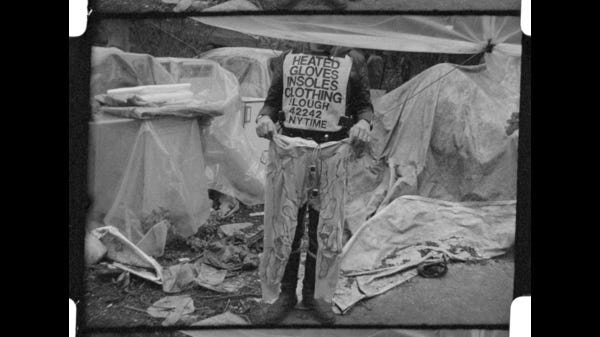
We first discovered Seddon’s work at a screening of William English’s film Heated Gloves (2015) at the Horse Hospital in London back in 2022. The film follows Seddon from around the time English met him in the late 1970s until the designer’s passing in 2014. Filmed over three decades, it is a portrait of a man who lived life fully in his own lane, complete with innumerable eccentricities, or “foibles”, as English calls them, such as his penchant for eating raw garlic coated in lavender oil or his homemade tanning bed constructed of various UV lamps.
The two initially met when they were working as motorcycle dispatch riders in London in the late 1970s. “The first time I saw him he was in Covent Garden,” English recounts, “he was just standing on the corner next to this bike, this vintage BSA covered in oil with all these wires sprouting out of it, wearing this tabard that said ‘heated gloves’.” Seriously, how could you not go over and investigate? “He used to have a bundle of leaflets with all this information about him on them, they would have his personal history on them, his biography.”
Born in Severn House in Hampstead (which once belonged to the English composer Edward Elgar) to a concert pianist mother and the heir to Seddon’s Salt, as a young boy his father took off, leaving Maurice, his mother and siblings with next to nothing. This would have a profound effect on Seddon, who watched his mother and sister descend into alcoholism, his brother die from kidney failure and who, later in life, would refer to the electrical wiring for his clothing as a life-sustaining device. “He always referred to the umbilical cord, which is a great long electrical cord which connects [his clothing] to the mains and heats him up, like a return to the womb,” English explains.
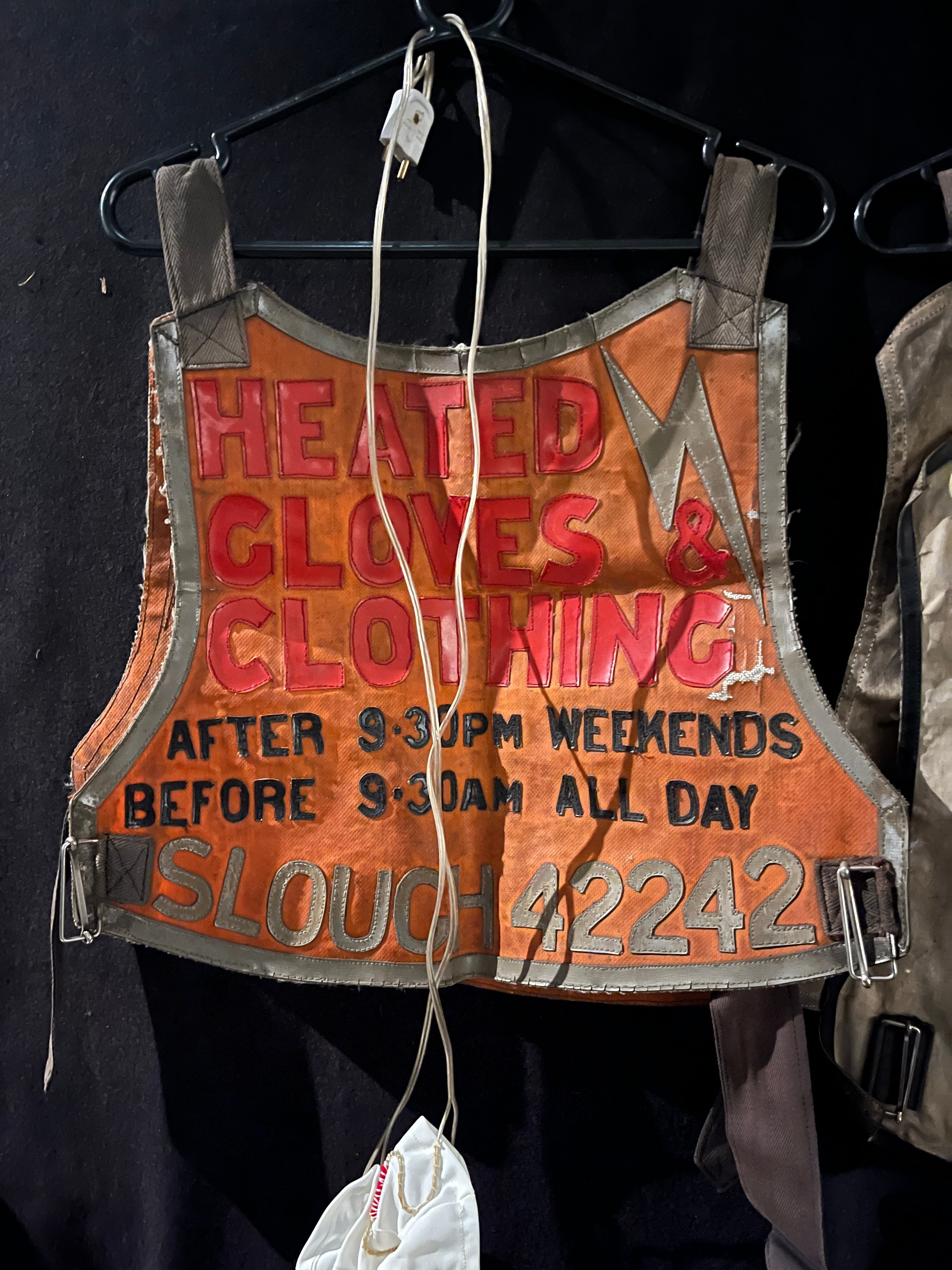
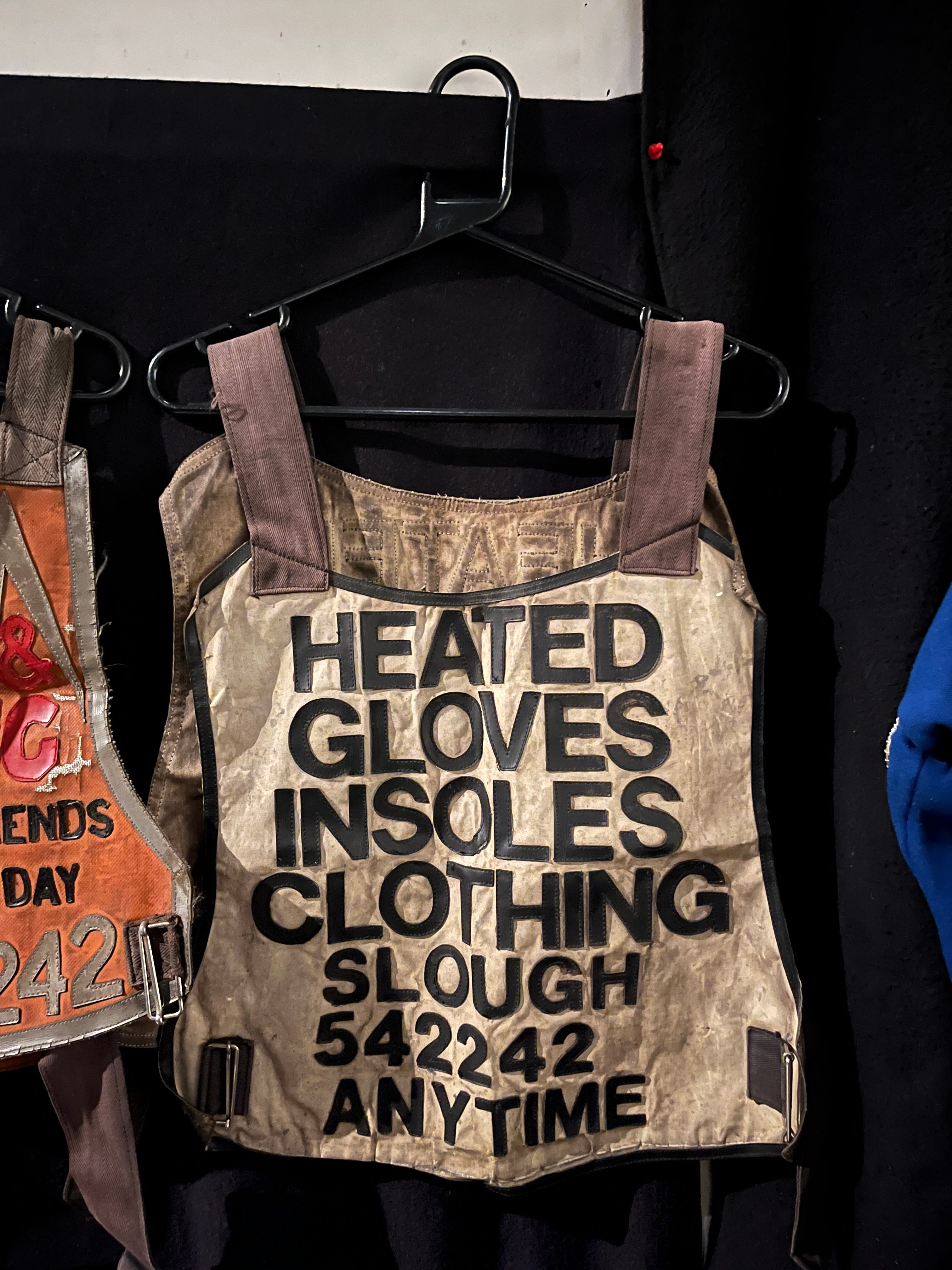
Seddon’s interest in electronics came after he was enrolled at Gordonstoun, a Scottish school founded by Kurt Hahn in 1934, then through his service as an officer in the Royal Corps of Signals during the Second World War – hence the ‘Captain’ title he kept his whole life. In his home he kept an entire shed full of reel-to-reel tape recorders, vintage valve radios and wooden speaker cabinets. He was skilled in repairing this kind of equipment, selling or fixing bits to make some cash, and sold English an audio system for his restaurant The Dining Room which he opened with his partner Sandra Cross in 1980. “It was extortionate!” William laughs, “but I paid him £10.00 every time he came along.”
Seddon was a frequent face at The Dining Room where he ate completely free of charge, and would take leftover food home with him in large imported German plastic bags to put in one of the numerous chest freezers he kept in the garden. “He’d enter in this theatrical way in black leather, with the tabard, the heated gloves,” English tells us, “he would trudge through and people who were eating would look up at this apparition and he would talk to them about his heated clothing.” On one magical evening, he sat down with Vivienne Westwood and Tony Gross (of Cutler and Gross) who were both friends of English and talked into the night.
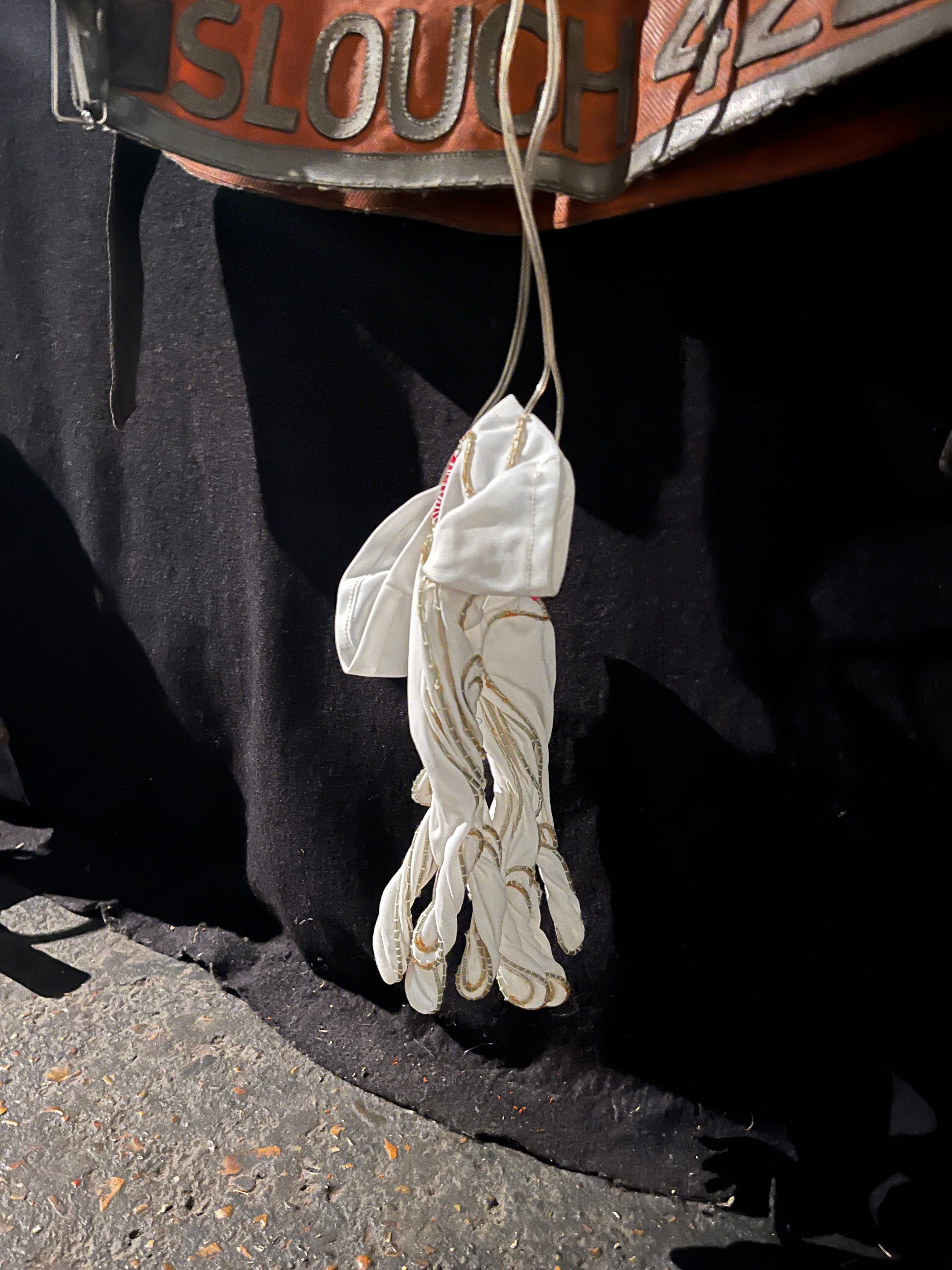
Electrically heated clothing was initially developed in the early 20th century, adapted for garments from heated blanket technology pioneered by American physician Dr. Sidney I. Russell, which he used to keep sick patients warm. The RNAS (Royal Naval Air Service) began to use it at the end of 1917 to keep pilots cosy on long flights as a replacement for the rather horrific sounding Edwardian ‘winter-warmer’ (burning rags stuffed in a small tin) which left pilots with blisters all over their hands. Each kit was made up of a waistcoat, pair of gloves and insoles for the feet – not unlike Seddon’s designs.
Despite insisting that his heated clothing was good for those with poor health and a great device for those who could not afford to heat their homes, the price of his clothing was very, very high. Only a few garments were ever sold to those who appreciated the ingenuity of the work, but the cost was out of reach for most. So not many of these pieces exist in the world. Perhaps the last remaining were those which were left to English when Seddon passed away in 2014.
Ciao for now!